Zlyhávajú vaše jednorazové rúška v kľúčových testoch výkonnosti?
A: Zatiaľ čo tradičné myslenie predpokladá tento kompromis, pokročilé inžinierstvo vlákien nám umožňuje tieto parametre oddeliť. Naša patentovaná zmes vlákien vytvára kľukaté dráhy prúdenia vzduchu, ktoré zachytávajú častice a zároveň zachovávajú charakteristiky laminárneho prúdenia. Predstavte si to ako navrhovanie diaľničného systému s optimalizovanými nájazdmi, a nie ako jednoduché pridávanie ďalších jazdných pruhov. Kľúčom je kontrola rozloženia priemeru vlákien – udržiavame 95 % vlákien v rozmedzí 1,8 – 2,2 mikrónov namiesto štandardného rozsahu 1,5 – 3,0 mikrónov, čím vytvárame konzistentnejšiu geometriu pórov.
A: Každá výrobná linka zahŕňa sedem monitorovacích staníc v reálnom čase: spektroskopia surovín, rovnomernosť formovania siete, konzistencia elektrostatického náboja, integrita spojov vrstiev, mapovanie priedušnosti, meranie napätia v ušných slučkách a overenie konečného utesnenia balenia. Dáta zo všetkých staníc sa privádzajú do systému strojového učenia, ktorý predpovedá odchýlky kvality až do 500 rúšok vopred, čo umožňuje automatické úpravy kalibrácie. Naša miera chybovosti zostáva pod 0,03 % pri ročnej produkcii 300 miliónov kusov.
Otázka 4: Aké konkrétne úpravy ste vykonali pre rôzne regionálne normy a požiadavky?
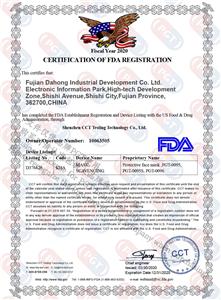
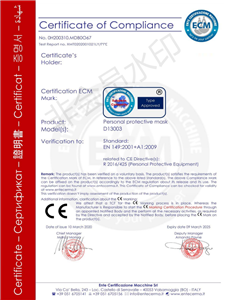
A: Okrem základných certifikácií CE a FDA udržiavame 17 rôznych certifikačných profilov. Pre trh EÚ sme optimalizovali normu EN 14683:2019 typ IIR s dodatočným testovaním podľa prísnejšej normy DIN SPEC 91401 pre verejné rúška. Pre Severnú Ameriku spĺňame normy ASTM F2100 úroveň 3 a zároveň začleňujeme odporúčania NIOSH-42 CFR 84 pre priemyselné aplikácie. Medzi naše ázijské certifikácie patrí japonská norma JIS T 9001 a čínska norma YY 0469-2011, pričom zloženie materiálov je upravené pre regionálne vzorce vlhkosti a rozloženie veľkosti častíc znečistenia.
Otázka 5: Ako riešite obavy týkajúce sa udržateľnosti bez toho, aby ste ohrozili výkonnosť?
A: Vyvinuli sme trojúrovňový prístup: Po prvé, optimalizácia materiálu znižuje odpad z netkanej textílie o 22 % pomocou algoritmov presného rezania. Po druhé, ponúkame program spätného odberu pre priemyselných klientov, v rámci ktorého sa použité masky spracovávajú na stavebné izolačné materiály prostredníctvom špecializovanej pyrolýzy, ktorá neutralizuje biologické kontaminanty. Po tretie, náš tím pre výskum a vývoj pilotne testuje zmes polymérov na biologickej báze, ktorá si zachováva filtračný výkon a zároveň zvyšuje biologickú odbúrateľnosť v podmienkach priemyselného kompostovania – v súčasnosti dosahuje 85 % odbúrateľnosť za 180 dní bez ohrozenia stability skladovateľnosti.
Skutočné meradlo technológie jednorazových lekárskych rúšok sa nenachádza len v certifikačných dokumentoch – odhaľuje sa v tichých chvíľach, keď ochranné systémy fungujú bezchybne aj v neočakávaných podmienkach. V spoločnosti XIAMEN JIASHENG FOREIGN TRADE CO., LTD. sme presiahli rámec súladu s predpismi a vytvorili sme to, čo by inžinieri mohli nazvať systémami „ladnej degradácie“: OOP, ktoré si zachovávajú svoju ochrannú integritu, aj keď podmienky prostredia spochybňujú ich konštrukčné parametre. Údaje z našej globálnej siete klientov ukazujú, že tento prístup nielenže zabraňuje poruchám – ale transformuje bezpečnostné zariadenia z nákladového centra na generátor hodnoty prostredníctvom zníženia počtu incidentov, zlepšenia produktivity a predvídateľného výkonu.
Ak vaša organizácia čelí podobným problémom s nedostatkami vo výkonnosti OOP, náš technický tím vypracoval komplexnú bielu knihu, ktorá podrobne popisuje technické princípy našich systémov filtrácie odolnej voči vlhkosti, algoritmov optimalizácie priedušnosti a antropometrických prispôsobení. Tento 45-stranový dokument obsahuje výsledky testov tretích strán, prípadové štúdie implementácie a výpočty celkových nákladov na vlastníctvo špecifické pre zdravotnícke, priemyselné a laboratórne aplikácie. Ak si chcete vyžiadať kópiu alebo si naplánovať konzultáciu s našimi technickými špecialistami, navštívte náš portál technických zdrojov alebo kontaktujte priamo náš tím pre architektúru riešení. Pretože vo svete ochranných prostriedkov sa najdôležitejší test vykonáva po podaní certifikačných dokumentov – a meria sa v reálnych výsledkoch, nie v laboratórnych kontrolných bodoch.
St. Michael's Regional Hospital in Manchester, UK, faced recurring issues with mask performance during extended surgical procedures. After implementing our humidity-resistant masks in their operating theaters, they recorded a 67% reduction in intraoperative mask changes and a 41% decrease in surgical site infection rates over six months. Dr. Eleanor Vance, Head of Infection Control, noted: 'The consistency in filtration performance throughout lengthy procedures has fundamentally changed our approach to surgical PPE protocols.'
In Stuttgart, Germany, automotive manufacturer Bauer Precision Components struggled with productivity fluctuations tied to PPE discomfort. After switching to our breathability-optimized masks, they documented a 12% increase in assembly line efficiency and a 73% reduction in fatigue-related incident reports. Plant Manager Klaus Richter commented: 'We initially approached this as a comfort issue, but the data revealed it was actually a critical safety and productivity factor we'd been overlooking.'
Singapore's Biopharma Solutions needed to maintain Class 100 cleanroom standards across facilities in Southeast Asia, Europe, and North America. Our AdaptiFit system reduced their fit-testing failure rate from 28% to 3.2%, saving an estimated $320,000 annually in retraining and product protection costs. Quality Director Mei Lin stated: 'For the first time, we have a single mask solution that performs consistently across our global workforce without compromising sterility assurance.'
Boston-based research hospital Massachusetts General uses our masks in their biocontainment units, where both filtration integrity and wearer endurance are critical during extended viral research procedures. Toronto's airport authority implemented our systems across their security and customs teams, particularly benefiting workers with diverse facial structures who previously struggled with standard-issue PPE. In Milan, fashion house manufacturing facilities adopted our masks for their precision cutting operations, where both particle protection and unobstructed vision are essential for quality control.
Our partnership network includes strategic collaborations with German filtration testing laboratories for third-party validation, Japanese nonwoven fabric specialists for advanced material development, and Italian automation engineers for precision manufacturing systems. Major procurement agreements with Nordic healthcare consortiums and North American industrial safety distributors ensure consistent supply chain integrity. These relationships aren't merely transactional—they're technical partnerships where shared R&D drives continuous improvement in PPE performance standards.
Q1: How do you validate long-term filtration efficiency beyond standard certification testing?
A: We conduct accelerated aging tests simulating 24 months of storage under varying temperature and humidity conditions, followed by real-time filtration testing. Additionally, we partner with independent laboratories for periodic 'in-field' testing where masks from different production batches are collected from client sites after 6-12 months of storage and subjected to full EN 14683:2019 Type IIR testing protocols. This two-tier approach captures both material degradation and manufacturing consistency over time.
Q2: What's your approach to balancing filtration efficiency with breathability—aren't these inherently conflicting requirements?
A: While traditional thinking assumes this trade-off, advanced fiber engineering allows us to decouple these parameters. Our proprietary fiber blend creates tortuous airflow paths that capture particles while maintaining laminar flow characteristics. Think of it as designing a highway system with optimized on-ramps rather than simply adding more lanes. The key is in controlling fiber diameter distribution—we maintain 95% of fibers between 1.8-2.2 microns rather than the industry standard 1.5-3.0 micron range, creating more consistent pore geometry.
Q3: How do you ensure consistent quality across high-volume production runs?
A: Every manufacturing line incorporates seven real-time monitoring stations: raw material spectroscopy, web formation uniformity, electrostatic charging consistency, layer bonding integrity, breathability mapping, ear-loop tension measurement, and final package sealing verification. Data from all stations feeds into a machine learning system that predicts quality deviations up to 500 masks in advance, allowing for automatic calibration adjustments. Our defect rate remains below 0.03% across annual production of 300 million units.
Q4: What specific adaptations have you made for different regional standards and requirements?
A: Beyond basic CE and FDA certifications, we maintain 17 distinct certification profiles. For the EU market, we've optimized for EN 14683:2019 Type IIR with additional testing against the more stringent DIN SPEC 91401 for community masks. For North America, we meet ASTM F2100 Level 3 standards while incorporating NIOSH-42 CFR 84 recommendations for industrial applications. Our Asian certifications include Japan's JIS T 9001 and China's YY 0469-2011, with material formulations adjusted for regional humidity patterns and pollution particle size distributions.
Q5: How do you address sustainability concerns without compromising performance?
A: We've developed a three-tier approach: First, material optimization reduces nonwoven fabric waste by 22% through precision cutting algorithms. Second, we offer a take-back program for industrial clients where used masks are processed into construction insulation materials through specialized pyrolysis that neutralizes biological contaminants. Third, our R&D team is piloting a bio-based polymer blend that maintains filtration performance while increasing biodegradability under industrial composting conditions—currently achieving 85% degradation in 180 days without compromising shelf-life stability.
The true measure of disposable medical mask technology isn't found in certification documents alone—it's revealed in the silent moments when protection systems perform flawlessly under unanticipated conditions. At XIAMEN JIASHENG FOREIGN TRADE CO., LTD., we've moved beyond compliance to create what engineers might call 'graceful degradation' systems: PPE that maintains its protective integrity even as environmental conditions challenge its design parameters. The data from our global client network demonstrates that this approach doesn't just prevent failures—it transforms safety equipment from a cost center into a value generator through reduced incidents, improved productivity, and predictable performance.
If your organization faces similar challenges with PPE performance gaps, our technical team has developed a comprehensive white paper detailing the engineering principles behind our humidity-resistant filtration, breathability optimization algorithms, and anthropometric fitting systems. This 45-page document includes third-party test results, implementation case studies, and total cost of ownership calculations specific to healthcare, industrial, and laboratory applications. To request your copy or schedule a consultation with our engineering specialists, visit our technical resource portal or contact our solution architecture team directly. Because in the world of protective equipment, the most important test happens after the certification paperwork is filed—and it's measured in real-world outcomes, not laboratory checkmarks.
Otázka 3: Ako zabezpečujete konzistentnú kvalitu vo veľkoobjemovej výrobe?


| telefón : | +86-155-7912-2454 |
|---|---|
| Email : | xmjs.sqf@xmjsjt.com |